

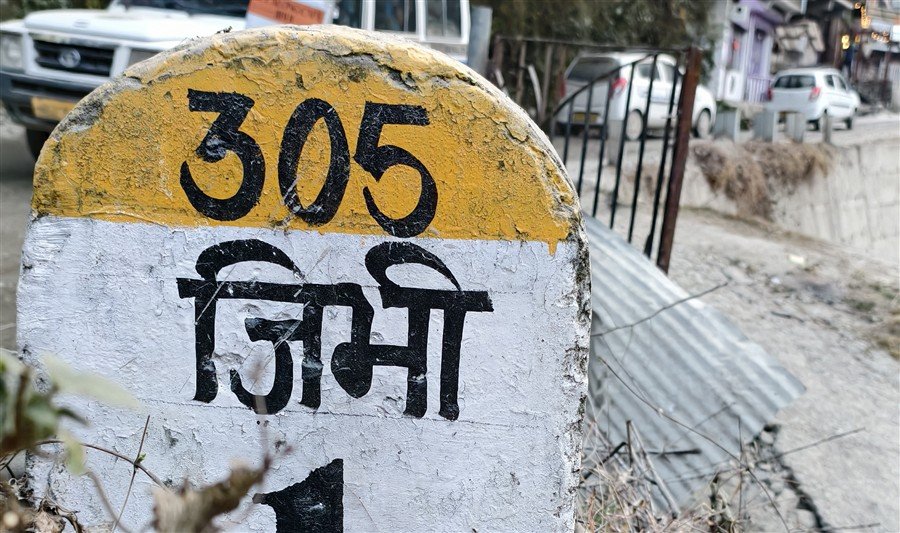

Jibhi is best understood as part of a wider mountain trip. A village stay can be paired with river and forest scenery, local heritage, and outings towards Shoja, Jalori Pass and Serolsar Lake. The draw is the mix rather than one headline attraction: travellers can shape a slower Himachal escape around village walks, nature and nearby day trips.
The right plan depends on what you enjoy: a short village walk, a longer day outdoors, a quiet stay near the river, or a route that links several nearby places. Treat each stop as an option, not a promise that every road, trail or activity will be available on your dates.
Planning note: Use Jibhi as a base for choosing a few experiences in the surrounding Banjar and Tirthan region. Check local access and weather before setting out, especially for higher routes and park treks.
1. A mountain setting shaped by forests and rivers
The wider Tirthan region brings together a river valley, wooded slopes and small settlements. The Great Himalayan National Park Authority’s Tirthan Valley guide describes the valley’s river system, forested landscape and nearby villages. The protected landscape matters too: UNESCO lists the Great Himalayan National Park Conservation Area for its high mountain habitats, forests and biodiversity.
For visitors, that translates into a trip where the landscape is part of the experience: take time for a riverside pause, a forest walk, or simply a slower morning. Stay on established paths, avoid leaving litter, and respect village land and local customs.
2. Nearby places offer different kinds of days
Jibhi can anchor a flexible set of outings rather than a rushed checklist. Shoja gives the trip a quieter village stop; Jalori Pass leads to mountain views and walking routes; Serolsar Lake is reached on foot from the pass. The Himachal Tourism Kullu guide describes Jalori Pass, the Serolsar Lake hike and Shoja as part of the district’s visitor landscape. Chehni Kothi near Banjar adds a heritage stop, while Jibhi Waterfall is often included in local itineraries.
Choose outings according to the group’s pace and the conditions on the day. A lake walk, a high pass and a village visit are different experiences; they should not be squeezed together just to cover more names on a map. Ask locally about the route, walking time, weather and transport before you commit.
3. The region suits a slower, more flexible itinerary
The appeal of Jibhi is not limited to ticking off viewpoints. It can work for travellers who want room between activities: breakfast without a fixed early departure, time for a short walk, and an unhurried evening. If you prefer full days of sightseeing, the surrounding places can add variety—but allow realistic travel time and keep a backup plan.
A practical approach is to group nearby stops by direction and effort, then leave one open block in the itinerary. This makes it easier to adjust if rain, road work, fatigue or a change in local access affects the original plan.
4. Nature and local heritage can sit in the same trip
A Jibhi-area holiday can combine outdoor time with a closer look at the region’s villages and traditional places. Chehni Kothi, identified by the Himachal Pradesh government as being near Banjar in Kullu, is one such heritage stop. Visit respectfully: follow local guidance, ask before photographing residents or entering private property, and treat temples and shrines as places of worship.
The nearby Great Himalayan National Park is a protected area, not an unrestricted sightseeing zone. Its authority says prior permission is required for entry into the park and that routes and permits should be confirmed with officials. Read the current GHNP rules and permit guidance before planning a trek inside the park; do not assume a visit to Jibhi automatically includes park access.
5. The best trip is the one matched to your travel style
Jibhi and its surroundings can appeal to different kinds of travellers for different reasons: a couple may value a quiet mountain break, a family may prefer short outings with time to rest, and walkers may want to build a longer day around a trail. These are planning possibilities, not guarantees about facilities, road access or suitability for every person. Check the details that matter to your group before booking.
If you want to connect Jibhi with other Himachal stops, compare the route and overnight plan against your arrival point and available days. MAV’s Manali and Jibhi tour page and Kullu–Manali–Kasol–Jibhi itinerary show existing ways to combine the area with other destinations. Confirm the current inclusions, dates and quote directly with MAV; package prices and availability can change.
How to plan a Jibhi trip responsibly
- Check weather, road access and trail status close to your travel dates; conditions can change.
- Plan fewer stops if your group includes young children, older travellers or anyone who needs a gentler pace.
- Confirm current park permits, guide requirements and access directly with GHNP officials before a protected-area trek.
- Respect local homes, temples, wildlife and waste rules; do not treat riverbanks or forest paths as picnic grounds to leave behind.
- Ask MAV for a date-specific itinerary and current price instead of relying on an old online figure.
Jibhi’s strongest draw is the choice it gives you: a village-centred stay, a wider nature-rich landscape, and nearby places that can add walking, views and local heritage to the same journey. Travel with a flexible plan, verify the details that can change, and leave enough time to enjoy the valley rather than rush through it.
Planning a trip to Jibhi and nearby destinations? Share your dates, starting point and preferred pace with MAV Travels for help shaping an itinerary.

0 Comment